Fundraising campaign
Solar power for the Indigenous Seykuanamak school
About the project
We are currently raising funds for a solar-powered refrigerator and the associated solar installation for the Indigenous Seykuanamak school.
This initiative matters greatly to the children because the school relies on food that often has to be transported for several days by pack animals in difficult conditions. The tropical climate and lack of refrigeration make it very hard to keep food fresh. A solar-powered refrigerator would greatly improve food safety and give the children access to better nutrition, which is vital for their learning, development and growth.
In April 2024, we plan to visit the school in person and install the solar system together with the village community. Part of the required funds has already been raised, but we still need around €1000 to cover all purchase costs.
Your donation helps make this project possible, improving Indigenous children’s living conditions and educational opportunities in a lasting way and giving them a better future.
2500€
Goal 3500€
Donate to:
Verein Nawowa für Entwicklungshilfe und Förderung von kleinbetrieblichen Strukturen
IBAN: AT35 2011 1849 7202 6500
BIC: GIBAATWWXXX
Payment reference: Solaranlage
Everyone working on the project volunteers their time, and all proceeds go directly to the school.
More information about the project and the school
About the school
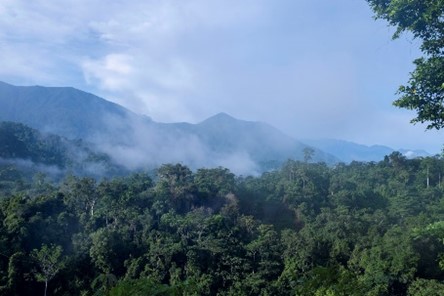
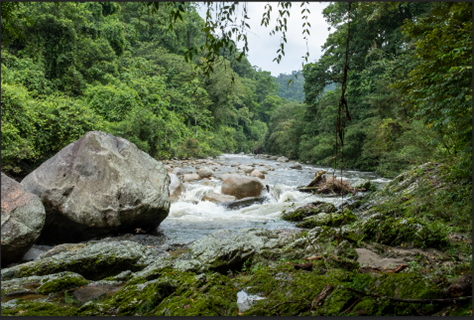
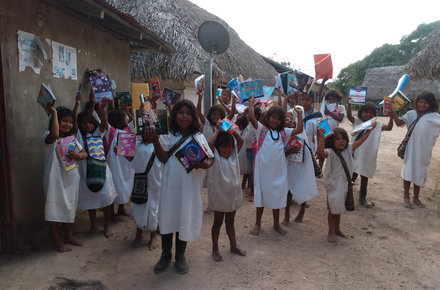
The Seykuanamak school lies in Colombia’s picturesque mountains, within the Indigenous reserve of the Kogui, Malaya and Arhuaco in the Sierra Nevada de Santa Marta. Located on the banks of the Don Dieguito river and surrounded by tropical rainforest, it is part of an area largely untouched by the outside world and Western civilisation, which its inhabitants regard as sacred land.
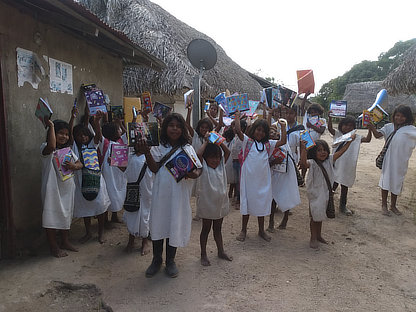
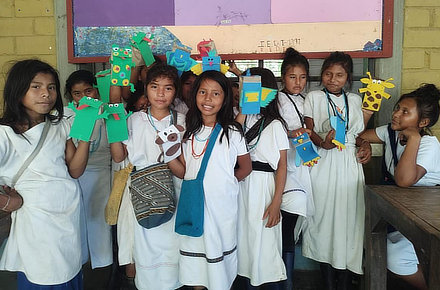
In this remote region, people still live in a very traditional way, deeply rooted in their ancestors’ customs and culture. The school is in the centre of Seykuanamak village and teaches around 35 girls and 25 boys. Many travel a long way to attend lessons and stay at school during the week because the journey is too far to make every day.
How the project began
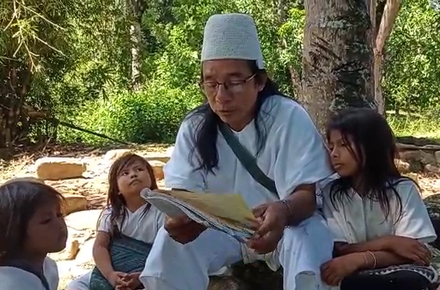
Two years ago, our friend Nelson, a teacher from the Arhuaca community, asked whether our project could also support his school. We were delighted by the idea of helping the community and its children, as education is close to our hearts and one of our project’s main priorities.
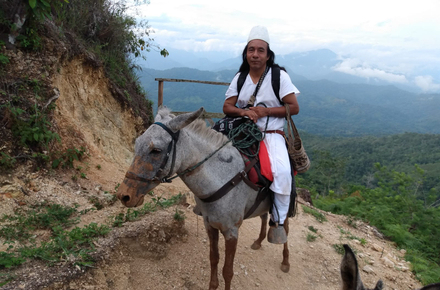
After arranging a date for our visit, we set off early that morning for the long journey into the mountains. From Palomino, where we were staying, we took a half-hour bus ride to Don Diegito village. A friend of Nelson’s was waiting there with 2 mules to help us on the climb.
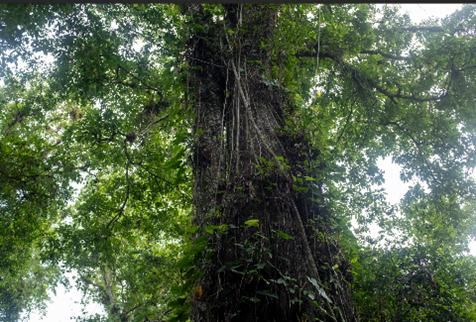
The route was an adventure. We first climbed through dense tropical rainforest, passing huge trees and rushing streams, until we caught our first view of a beautiful mountain landscape rising higher towards the horizon. In the distance, we could already see the snow of the tropical glacier on the highest peak of the Sierra Nevada, at almost 6000 metres.
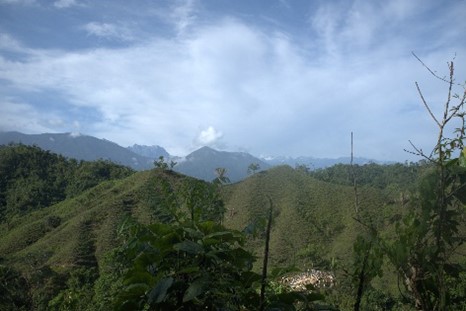
The path continued over many hills and ridges, with one climb and descent after another. After more than 8 hours of demanding walking in the humid tropical heat, we finally reached the village, where the community was waiting to welcome us warmly.
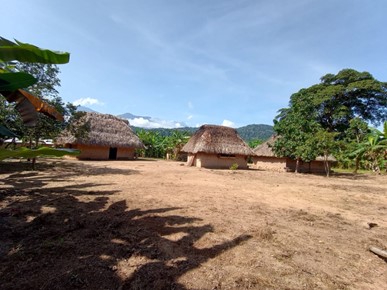
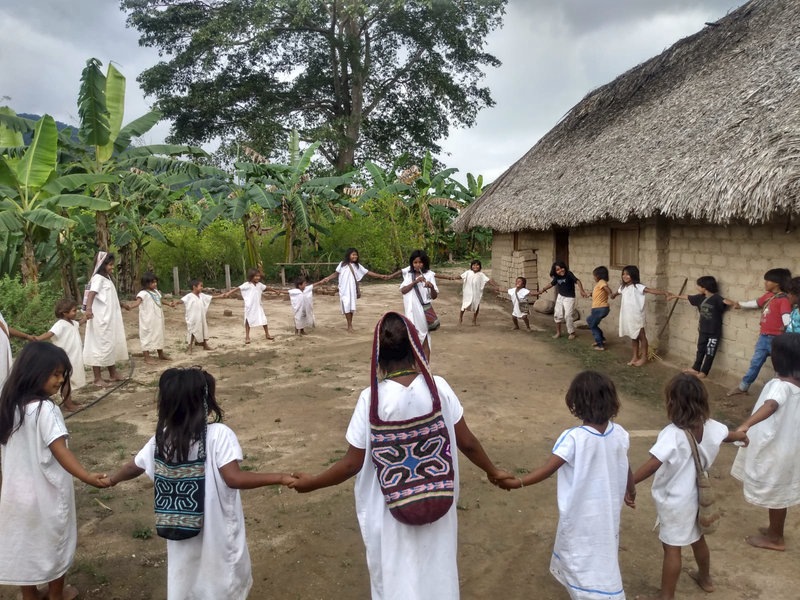
Following Arhuaca tradition, we were invited to step forward and speak in a circle with nature as our witness. After introducing ourselves, we described our project and our plans to support the school. People were deeply moved that we had travelled so far and wanted to help.
We were then given a tour of the school. Most houses are traditionally built from wood, although some are masonry, and many have the characteristic palm-leaf roofs that provide welcome protection from the heat.
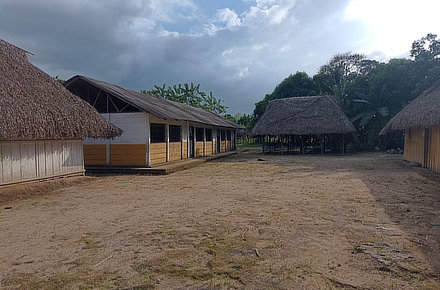
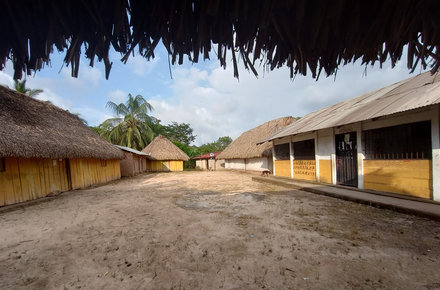
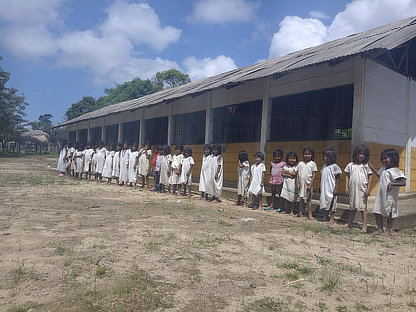
The classrooms are very simple and have open windows.
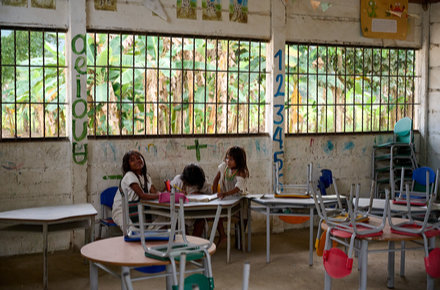
Alongside the main building, there is a building for the school administration and another used as a dining hall.
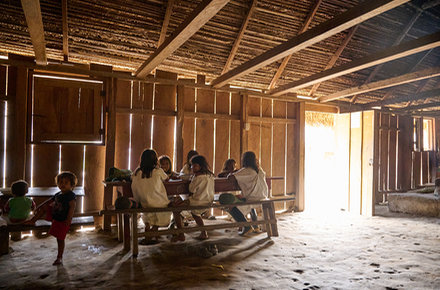
Next to it are a pantry and the kitchen where meals are prepared.
The pantry has no refrigeration, and most of the food stored there consists of root vegetables such as potatoes, malanga and cassava. Meat is salted so that it keeps longer.
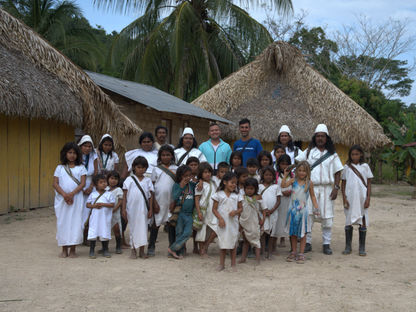
The highlight of the school was, of course, its many children. Around 60 children are taught here in total. They often come from distant villages, and some stay during the week because the daily journey would be too far.
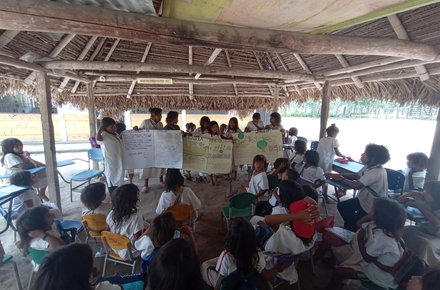
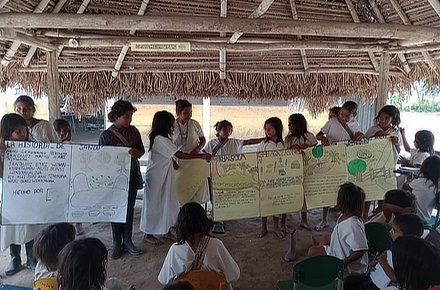
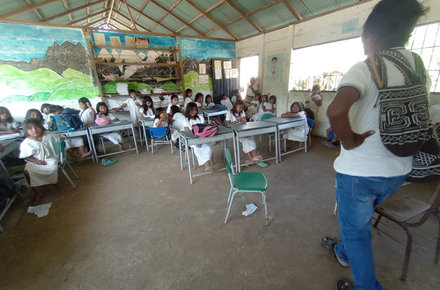
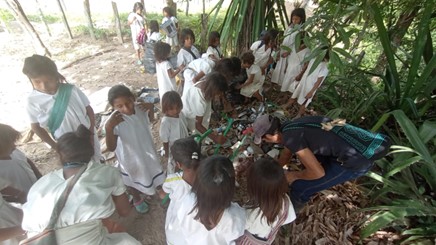
After the tour, we discussed the school’s most urgent needs with those in charge. Everyone agreed that food refrigeration was the priority. Ensuring that the children have enough to eat is one of the school’s greatest challenges. Food is brought from far away with great effort by pack animals and spoils quickly in the tropical heat. A solar-powered refrigerator would make a substantial difference. After discussing everything, we planned to raise funds for a solar installation and refrigerator and return the following year. We were then invited to stay overnight in the village, giving us a chance to get to know people better.
It was a wonderful experience to see how people live as a community and remain so closely connected to nature. Food was prepared for everyone, and we then shared dinner with the whole village.
The next morning, the roosters woke us, and we shared breakfast once more before packing our things and preparing for the descent. We were given a warm farewell and, of course, took a group photo together.